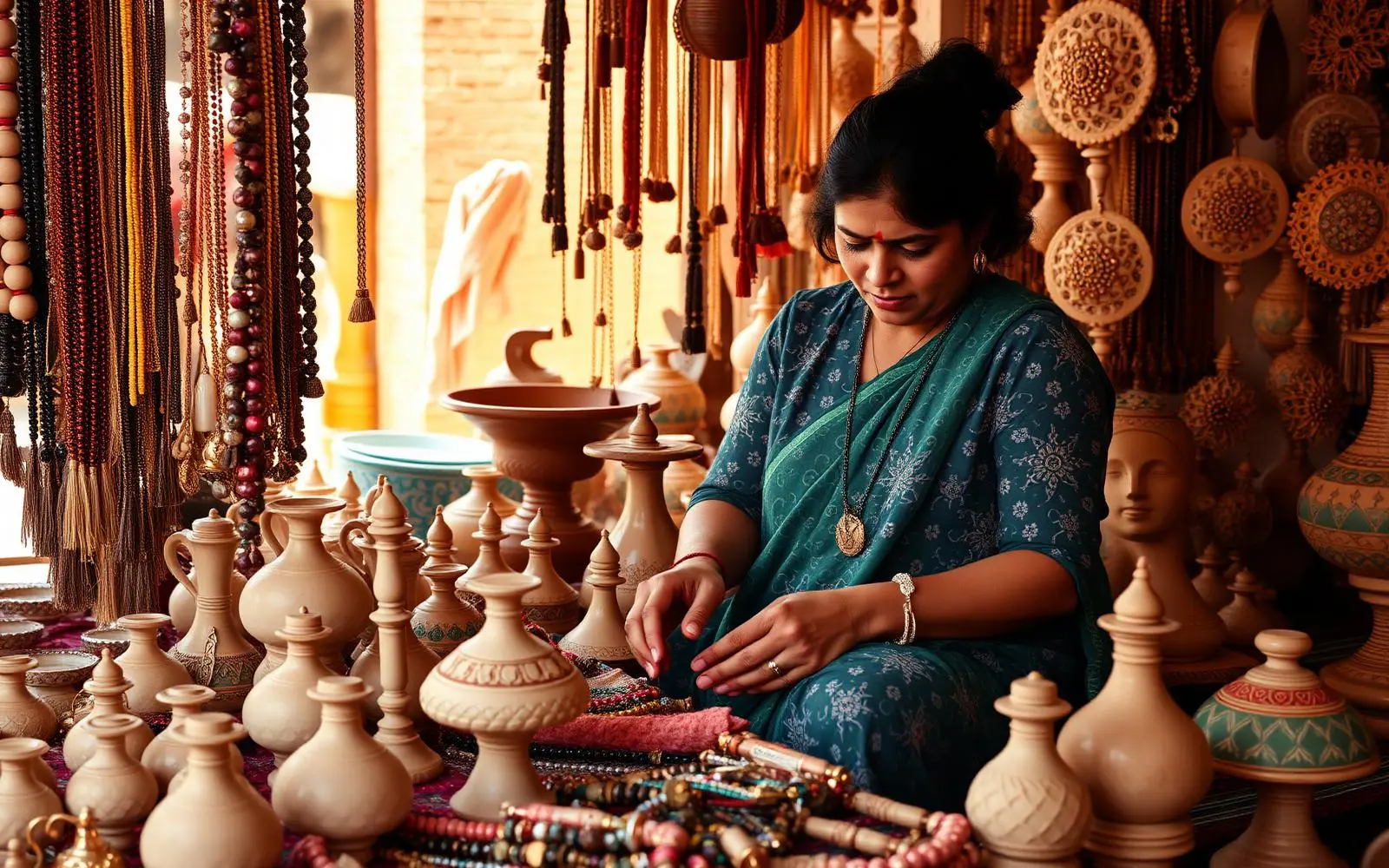
How Small Businesses Can Get Started Selling at Flea Markets in Hyderabad
MN Events · Aug 17, 2026
A beginner-friendly, step-by-step guide for small businesses and home entrepreneurs who want to start selling at Hyderabad flea markets.
Flea markets have become one of the easiest, lowest-cost ways for small businesses and home-based entrepreneurs in Hyderabad to reach real customers face-to-face. Whether you make handmade jewelry, sell home-baked snacks, or run a small clothing label, here's how to get started.
Why Flea Markets Are a Great Starting Point for Small Businesses
Unlike setting up a store or investing heavily in online ads, flea markets let you test your products with real customers, get instant feedback, and start earning — often for a fraction of the cost of other retail channels. They're especially valuable for businesses still building their brand and customer base.
Key benefits include:
- Low entry cost compared to a physical store
- Direct customer interaction and instant feedback
- Opportunity to build a local, loyal customer base
- Great exposure through community and corporate footfall
- No long-term lease or commitment — try it event by event
Step 1: Identify the Right Type of Flea Market for Your Product
Not all flea markets suit every product. Apartment flea markets tend to draw families and daily-use shoppers, while corporate pop-ups attract working professionals looking for quick, convenient purchases. Festive bazaars (Rakhi, Teej, Diwali) are ideal for gifting-related or ethnic products. Choosing the right event type improves your chances of good sales.
Step 2: Register as a Vendor
Reach out to flea market organizers like MN Events, who regularly host events across apartment communities and corporate campuses in Hyderabad. Vendor registration usually requires basic details about your business, product category, and stall space requirements.
Step 3: Plan Your Inventory and Pricing
Bring a mix of price points — a few affordable, easy "impulse-buy" items alongside your higher-value products. This helps convert casual browsers into buyers while still showcasing your full range.
Step 4: Set Up a Stall That Reflects Your Brand
Your stall is your storefront for the day. Simple, clean branding — signage, consistent packaging, and clear pricing — helps you look established and trustworthy, even as a new business.
Step 5: Prepare the Essentials
From payment QR codes to power banks and packaging material, having the right setup avoids last-minute stress.
Step 6: Collect Customer Details for Repeat Business
Flea markets aren't just about one-time sales — they're a chance to build a customer base. Encourage shoppers to follow your Instagram or WhatsApp catalog so you can reach them beyond the event.
Step 7: Track What Works
After each event, note which products sold fastest, what price points worked, and what customer feedback you received. Use this to refine your inventory and pitch for future events.
How Much Can Small Businesses Earn at Flea Markets?
Earnings vary widely based on product category, pricing, and footfall — but flea markets consistently offer small businesses a direct, low-cost way to generate real revenue while building brand visibility in their local community.
Start Selling at a Flea Market Near You
MN Events organizes flea markets and pop-up bazaars across apartment communities and corporate campuses in Hyderabad — offering small businesses a reliable platform to reach real, engaged shoppers. Ready to set up your first (or next) stall?